If you’ve spent years in human resources, you know the drill: endless paperwork, tough conversations, and the constant push to keep everyone happy. It’s rewarding, but it can wear you down. Many pros in the field feel that spark fade over time, leading to questions like, “Is there a way to refresh my career without leaving HR behind?” The good news is, shifting to the tech side of HR might be the answer. It’s a growing area where your people skills meet cutting-edge tools, and the demand for talent is high. At DecisionMakersHub.com, we dive into topics like this to help leaders like you make smart moves.
This article explores how certifications like HRIP can open doors in HR technology. We’ll break down what it is, why it matters, and how it ties into the bigger picture of where HR tech is headed. Whether you’re a system admin handling cloud-based HR platforms or just curious about a career tweak, you’ll find practical insights here.
Why Consider a Switch to HR Technology?
Feeling stuck in traditional HR roles? You’re not alone. Common searches like “HR burnout solutions” and “career change from HR” show that many professionals hit a wall after years on the job. The emotional load of dealing with employee issues, compliance headaches, and tight budgets can lead to exhaustion. But instead of quitting the field entirely, think about pivoting to HR tech. This move lets you use your HR know-how in a fresh way, focusing on systems that make work easier for everyone.
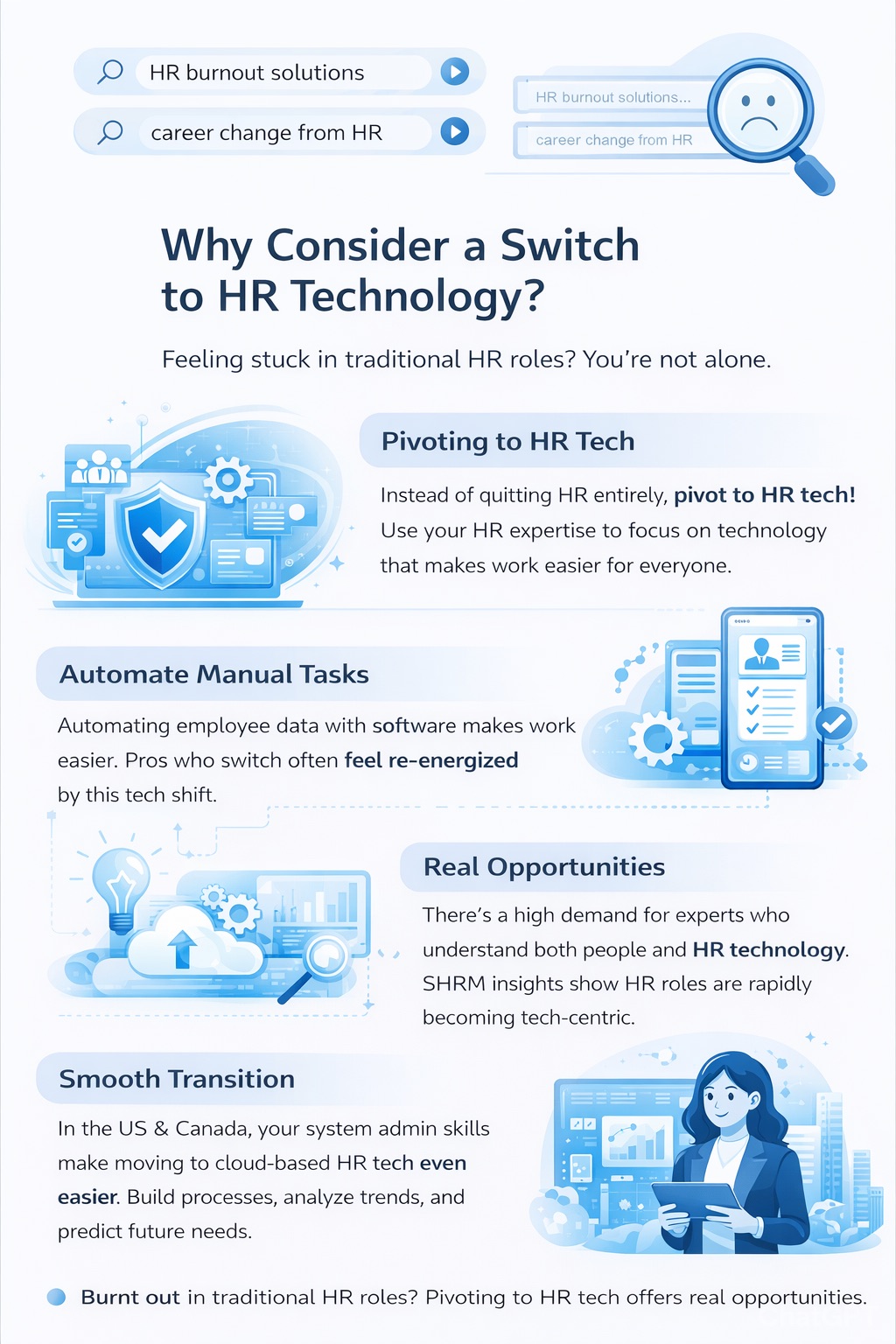
For instance, if you’re used to managing employee data manually, imagine automating those tasks with software. Pros who make this shift often say they feel re-energized. The field is short on experts who understand both people and tech, creating real opportunities. According to insights from the Society for Human Resource Management (SHRM), HR roles are evolving fast, with technology at the center. This isn’t just about fixing systems—it’s about shaping how companies support their teams.
If you’re in the US or Canada, where cloud-based HR systems are widely used, this transition could be especially smooth. As a system admin, you already handle data flows and user setups. Building on that with tech-focused skills can lead to roles where you design better processes, analyze trends, and even predict future needs.
What Is HRIP Certification?
So, what exactly is HRIP? It stands for Human Resource Information Professional. Offered by the International Association for Human Resource Information Management (IHRIM), it’s a credential that proves you get how HR and technology connect. Think of it as a bridge between your HR background and the digital tools that run modern workplaces.
The certification covers key areas like assessing tech solutions, implementing systems, and managing operations. It’s not overly technical at first—it’s designed for HR folks who want to level up. The exam has about 90 multiple-choice questions and takes around two hours. To qualify, you might pair it with other HR certifications like PHR or SPHR, which show your core HR knowledge.
Why bother? In a world where “HRIP certification benefits” is a top search, it’s clear this badge sets you apart. It signals to employers that you understand data connections, software as a service (SaaS), and how to make tech work for HR goals. For system admins, it’s perfect for mastering the backend of platforms that handle everything from payroll to performance tracking.
The Benefits of Earning Your HRIP
Getting certified isn’t just about adding letters to your name—it’s a smart career move. Searches for “benefits of switching to HR technology career” highlight perks like less emotional strain and more focus on innovation. With HRIP, you gain expertise in areas that are in high demand, like integrating systems and optimizing data flow.
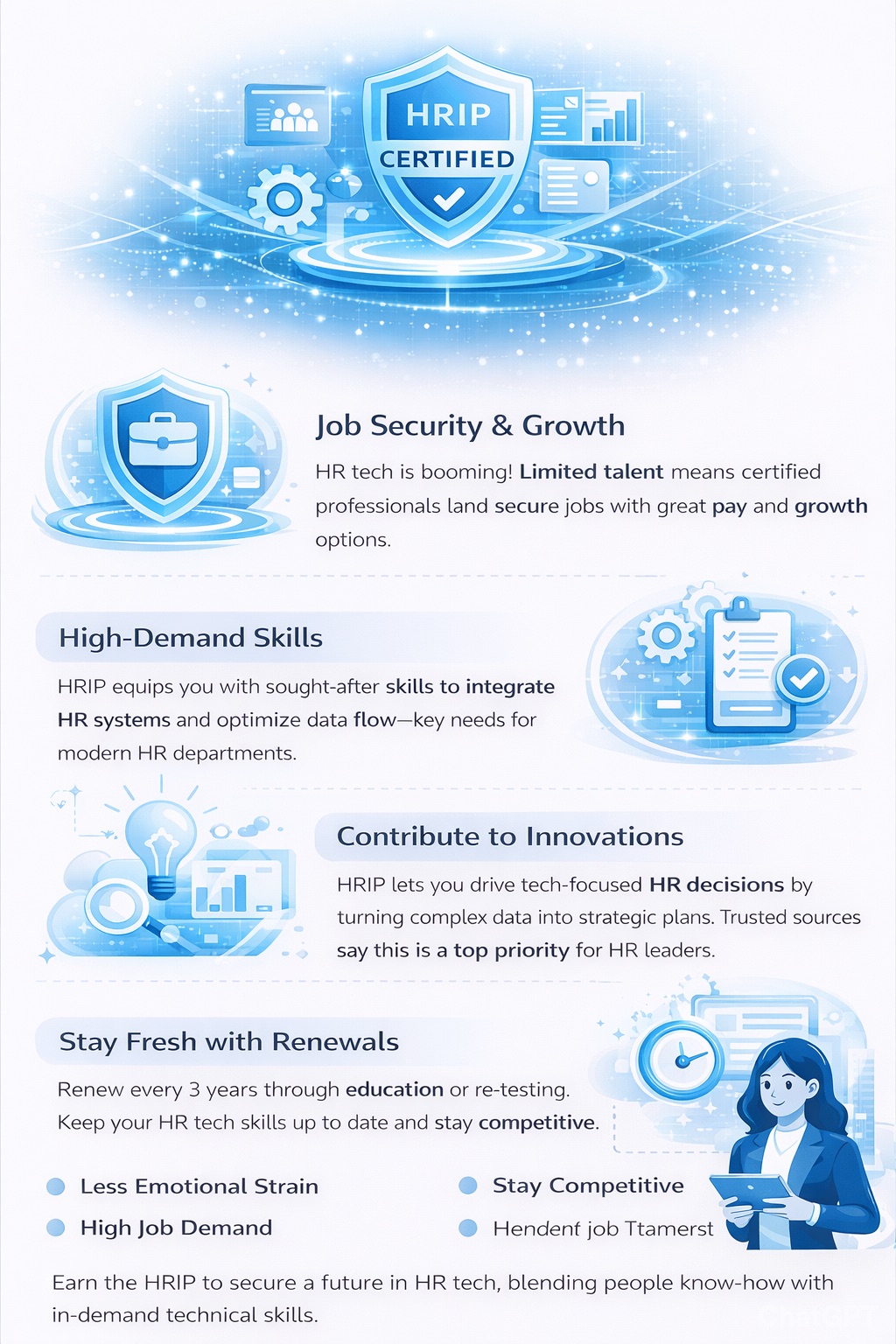
One big plus is job security. The HR tech space is booming, with limited talent available. Pros with this certification often land roles that pay well and offer growth. For example, you could move into positions where you oversee system upgrades or train teams on new tools. It also helps with “skills for HR tech jobs,” blending your people insights with tech savvy.
From trusted sources like Gartner, we know HR leaders are prioritizing tech to drive decisions. HRIP equips you to contribute there, turning data into actionable plans. Plus, it renews every three years through education or re-testing, keeping your knowledge fresh. If burnout has you rethinking your path, this could be the refresh you need, leading to work that’s analytical and less interpersonal.
Key Skills for Thriving in HR Technology
What skills do you need for HR tech jobs? It’s a mix of HR basics and tech tools. Start with certifications like PHR/SPHR for the human side, then add HRIP for the tech angle.
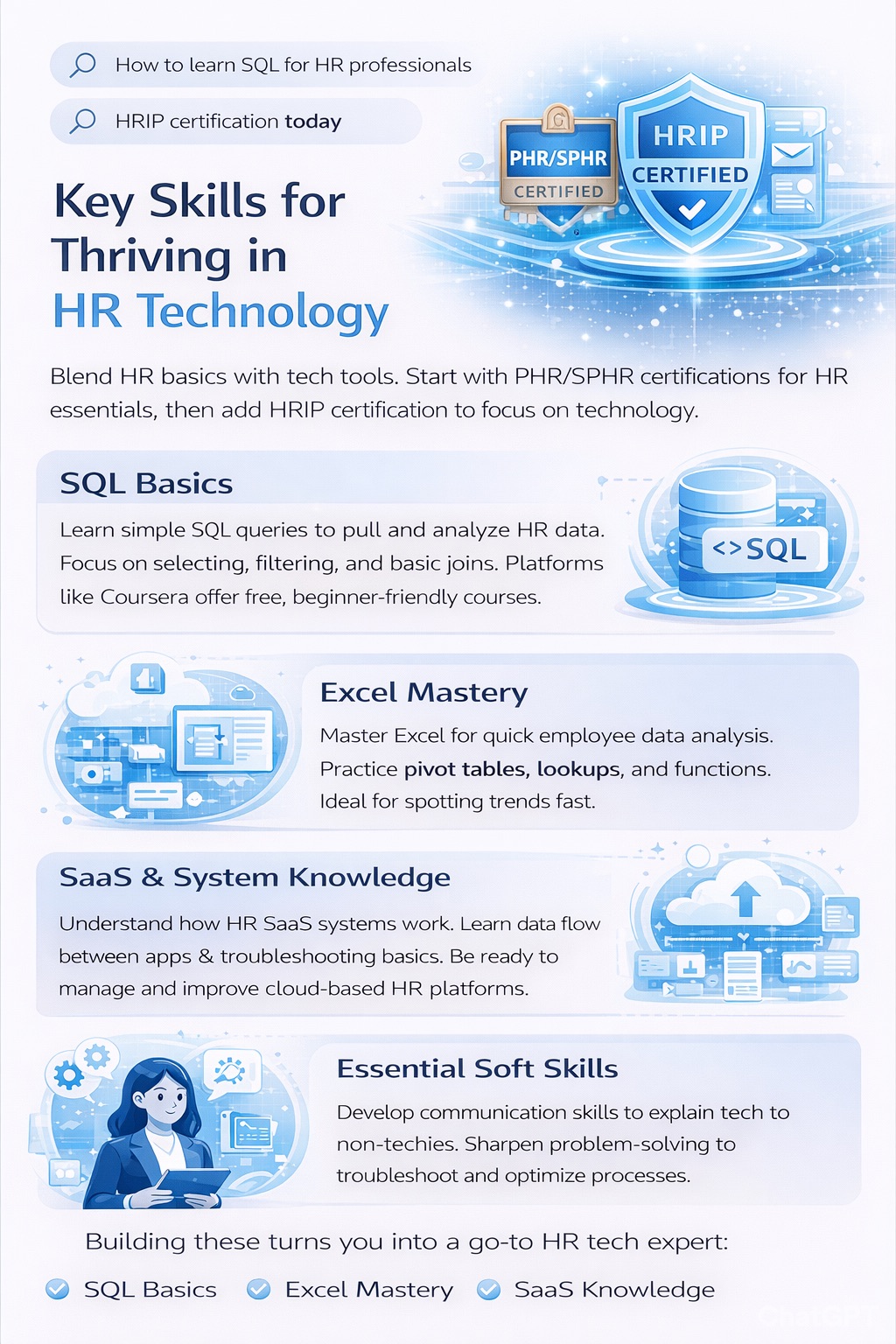
On the practical front, learn to pull data using simple queries. “How to learn SQL for HR professionals” is a popular query because it’s useful for reporting in HR systems. You don’t need to be a coder—focus on basics like selecting data or joining tables. Free online courses on platforms like Coursera can get you started in weeks. Pair that with Excel tricks like pivot tables and lookups, which help analyze employee trends quickly.
For system admins, understanding SaaS is key. Know how data moves between apps and how to troubleshoot common issues. Soft skills matter too: communication to explain tech to non-tech folks, and problem-solving to fix process gaps. As SHRM notes, tech literacy is now essential for all HR roles. Building these turns you into a go-to expert.
The Future of HR Technology: Trends Shaping Tomorrow
Looking ahead, what does the future of HR technology hold? Searches for “future of HR technology trends” point to exciting changes. AI is leading the way, automating tasks like screening resumes and predicting turnover. For system admins, this means managing smarter platforms that learn from data.
Employee experience is another focus. Tools that personalize learning or wellness plans are on the rise, making work more engaging. Predictive analytics will help spot issues early, like skill gaps in your team. Gartner predicts a big push toward human-machine collaboration, where tech handles routine work and people focus on strategy.
In the US and Canada, where remote work is common, cloud-based systems will evolve to support hybrid teams better. Think real-time data dashboards that guide decisions. As Paychex highlights, responsible AI use will be key to building trust. HRIP prepares you for these shifts, ensuring you stay relevant.
How to Get Started on Your HR Tech Journey
Ready to dive in? First, assess your current skills. If you have HR experience, aim for PHR/SPHR if you don’t already. Then, tackle HRIP—study guides from IHRIM cover the basics. Costs are around $400-500, depending on membership.
Build tech skills gradually. Start with SQL basics through short videos or courses—dedicate a few hours a week. Practice Excel functions on sample HR data. Network on professional sites or attend webinars from groups like SHRM.
For system admins, experiment with your current tools. Learn to generate reports or integrate add-ons. This hands-on approach makes the transition feel natural. Remember, the goal is progress, not perfection.
Embrace the Change for a Brighter Career
Shifting to HR technology, armed with HRIP, can breathe new life into your career. It addresses burnout by focusing on innovation over daily grind, while tapping into high-demand skills. As trends like AI and analytics grow, pros with this edge will lead the way.
At DecisionMakersHub.com, we believe in empowering leaders with timeless advice. Whether you’re in the US, Canada, or beyond, exploring HRIP could be your next step. Take that first course or exam—your future self will thank you.